The Urban Conundrum: Ensuring Sustainabilty in the face of Growing Urbanisation
May 10, 2014
It is imperative that Gurgaon takes sustainable steps to conserve its bio resources, reduces
pollution so that its citizens are able to lead a healthy, quality life. A workshop to discuss why
and how should Gurgaon move towards achieving its sustainability agenda was held by Gurgaon First, a
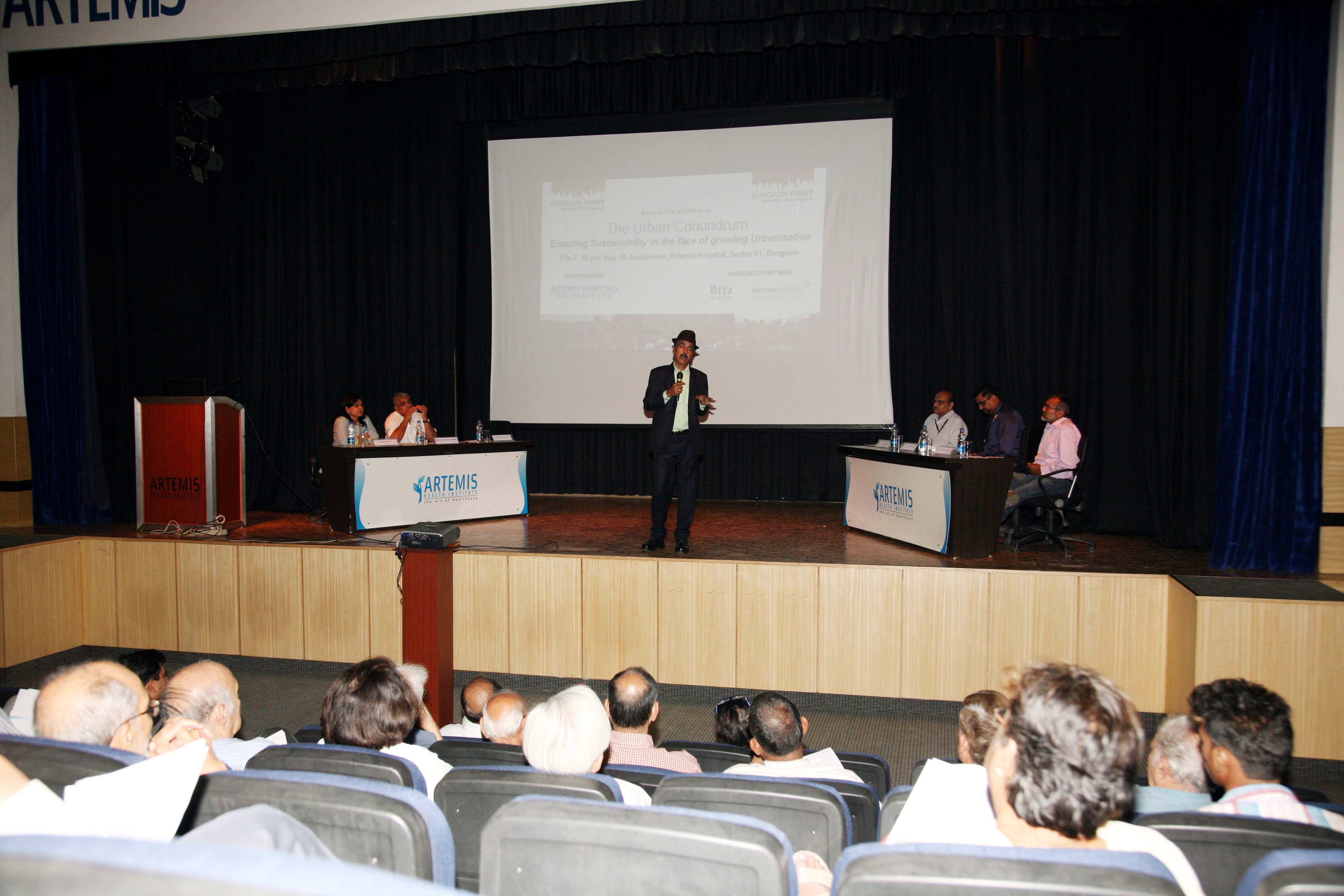
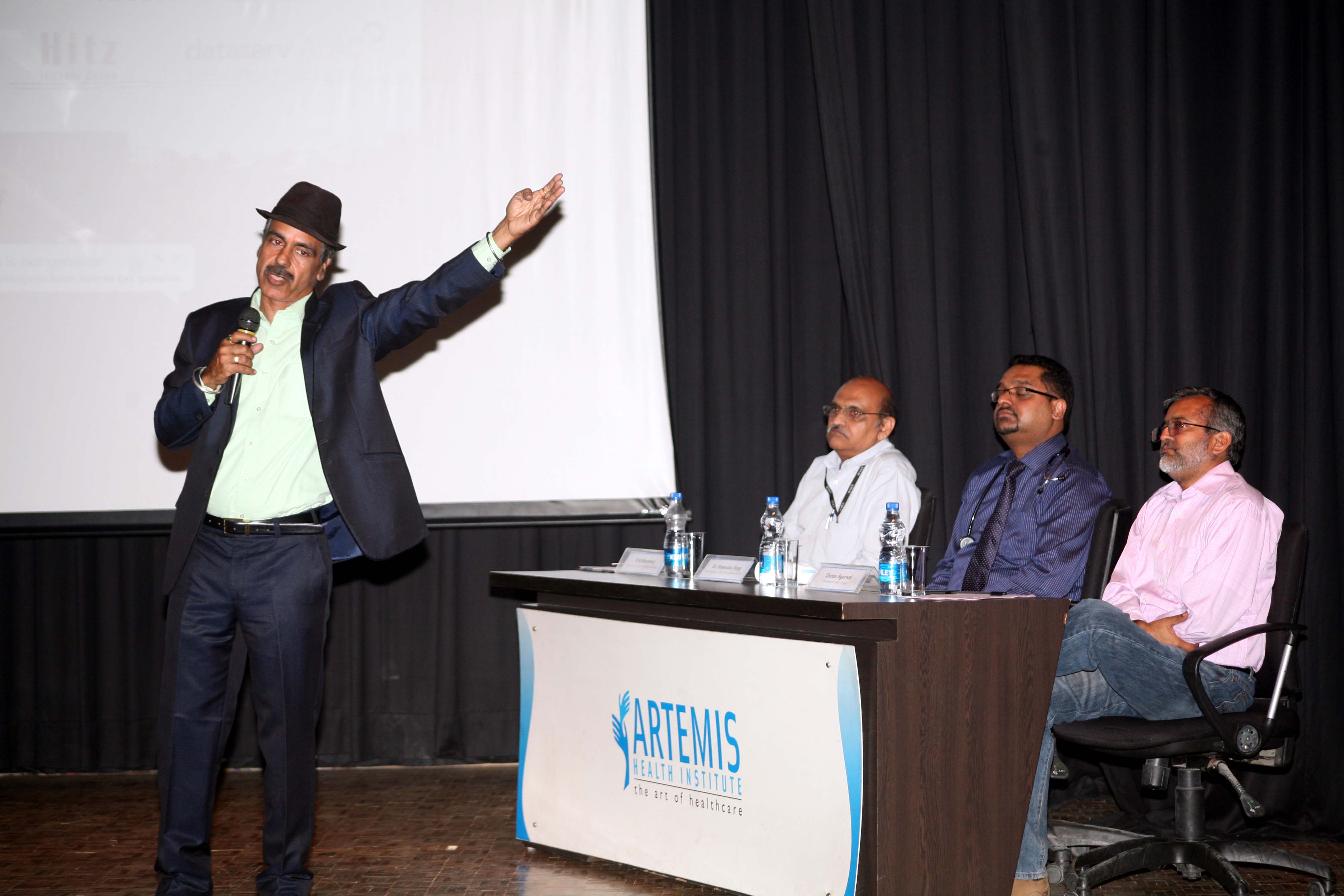
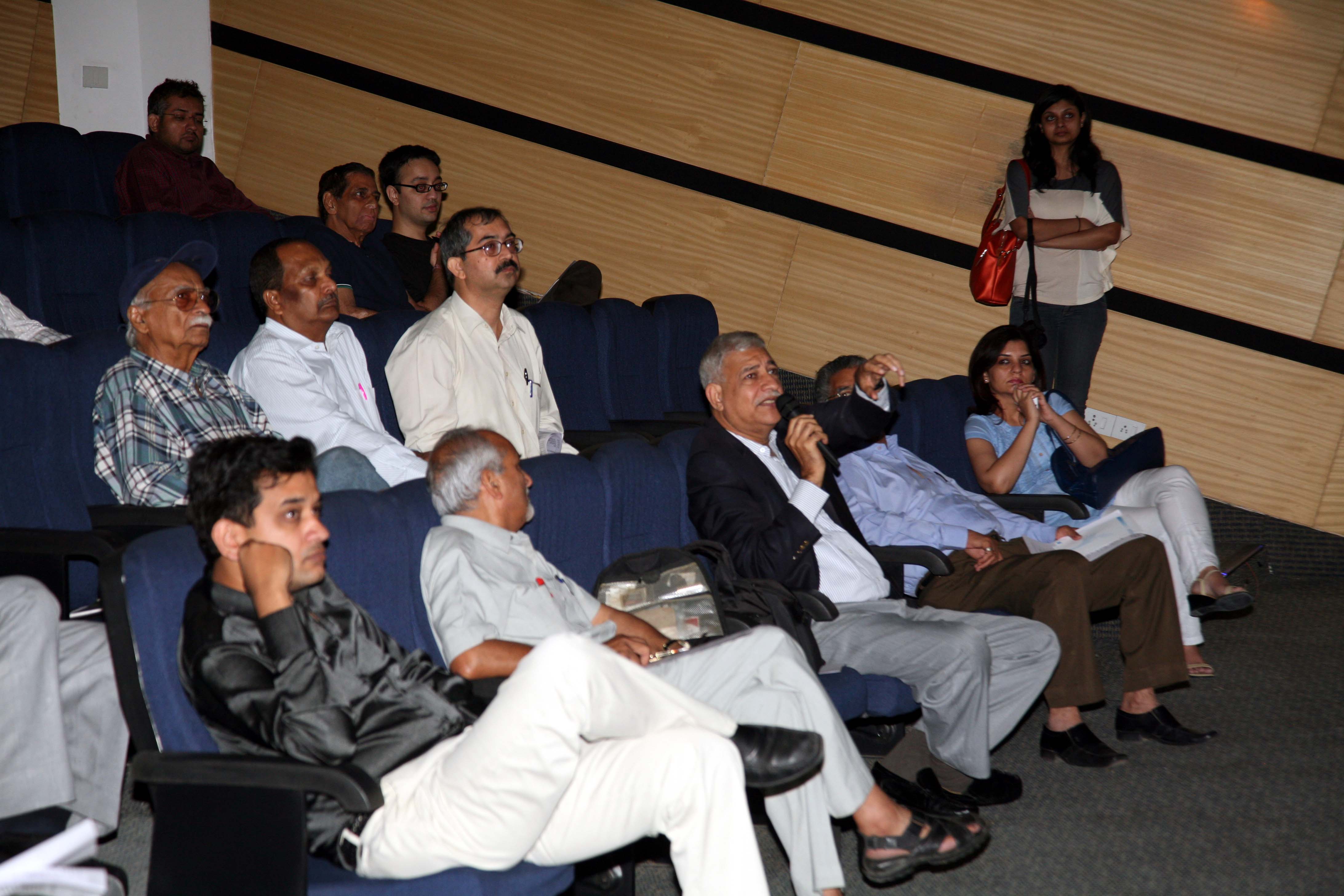
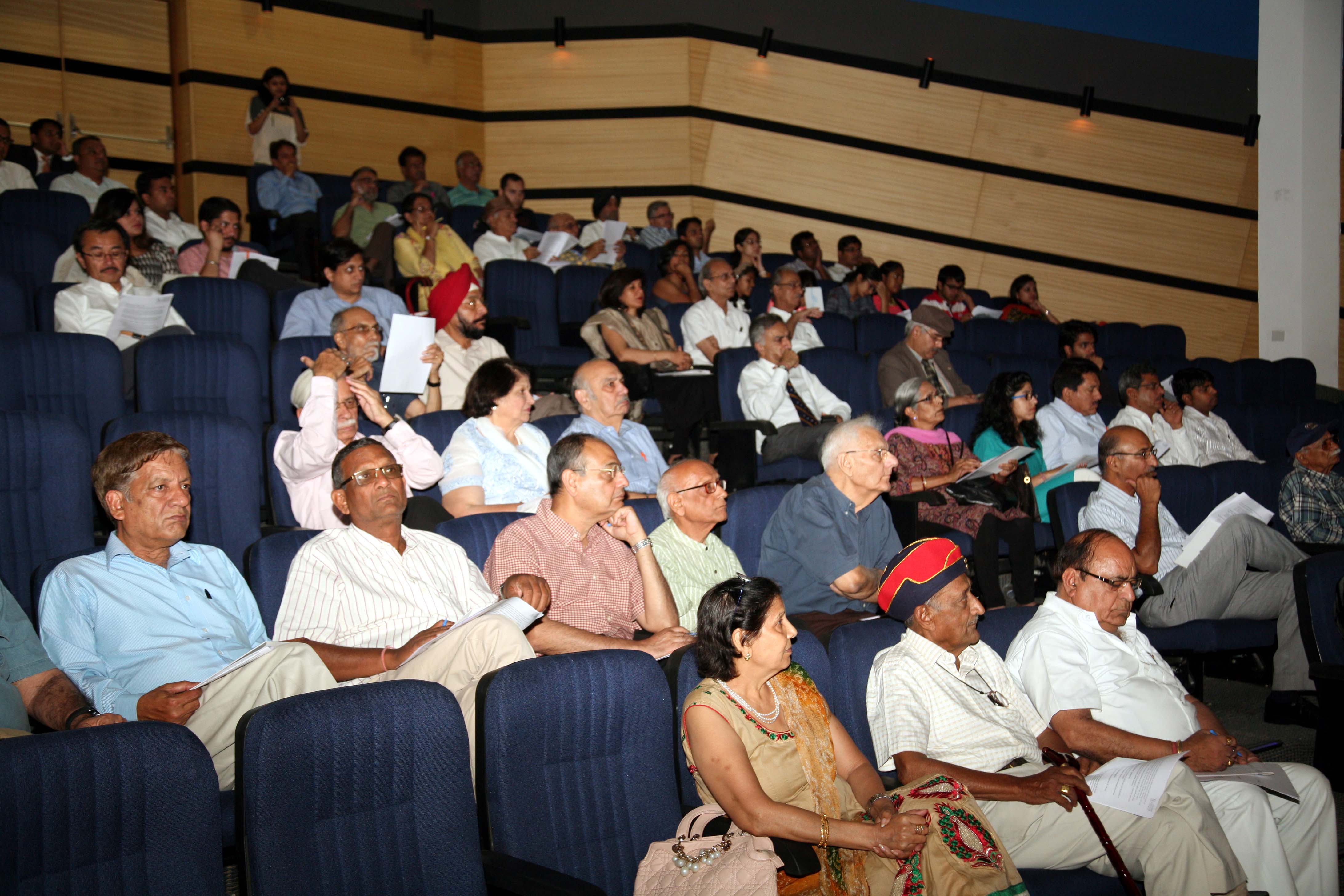
prominent Citizen Initiative of Gurgaon at Artemis Hospital. The workshop was attended by over 150
delegates from Gurgaon’s RWA, NGOs, Citizen Bodies, Architects, Urban Planners and Authorities.
The key note address in the workshop was delivered by Dr Praveen Kumar, Commissioner, Municipal
Corporation of Gurgaon.
The workshop had two sessions A) Gurgaon’s Conundrum – Civic and Infrastructural Challenges B)
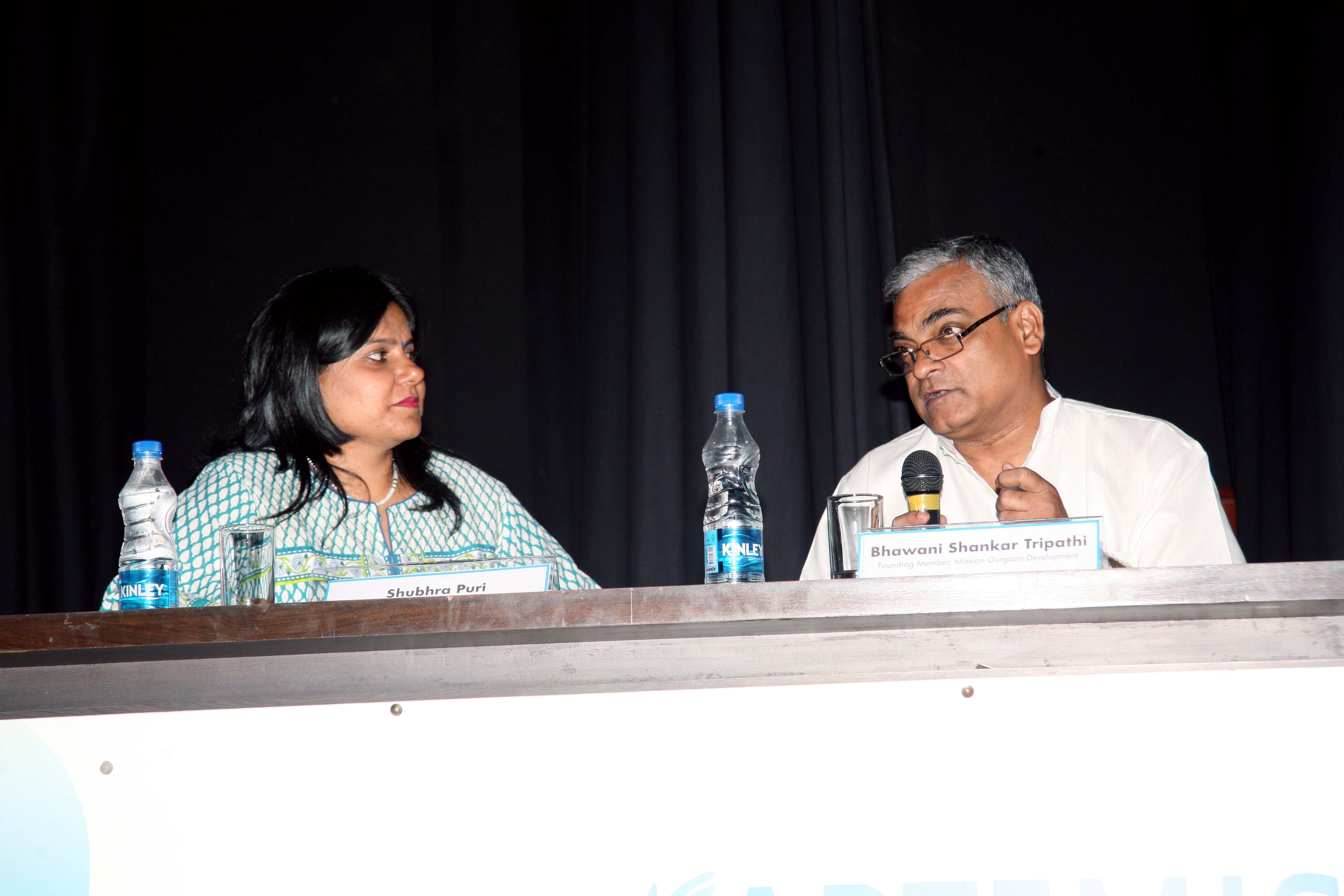
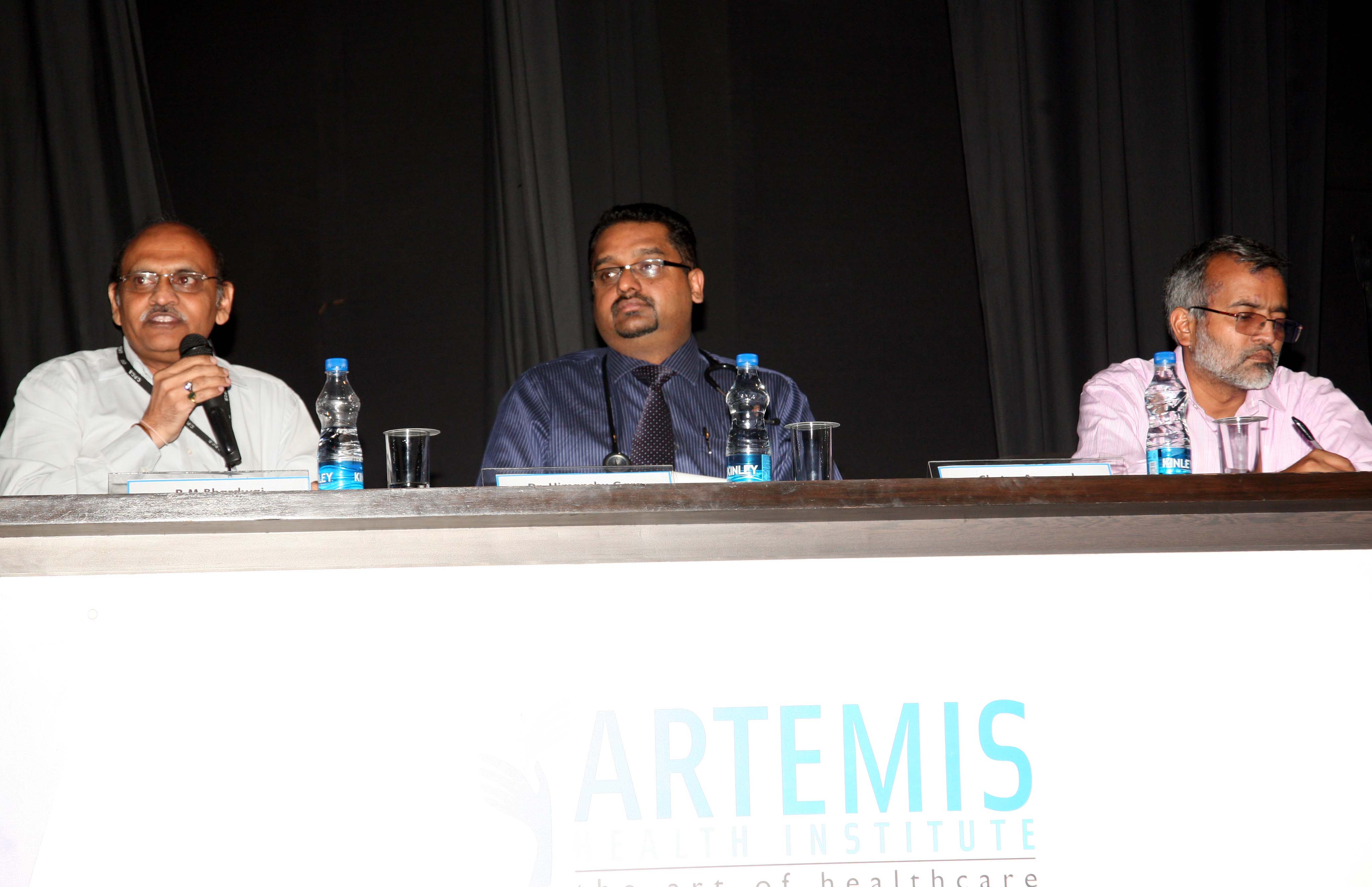
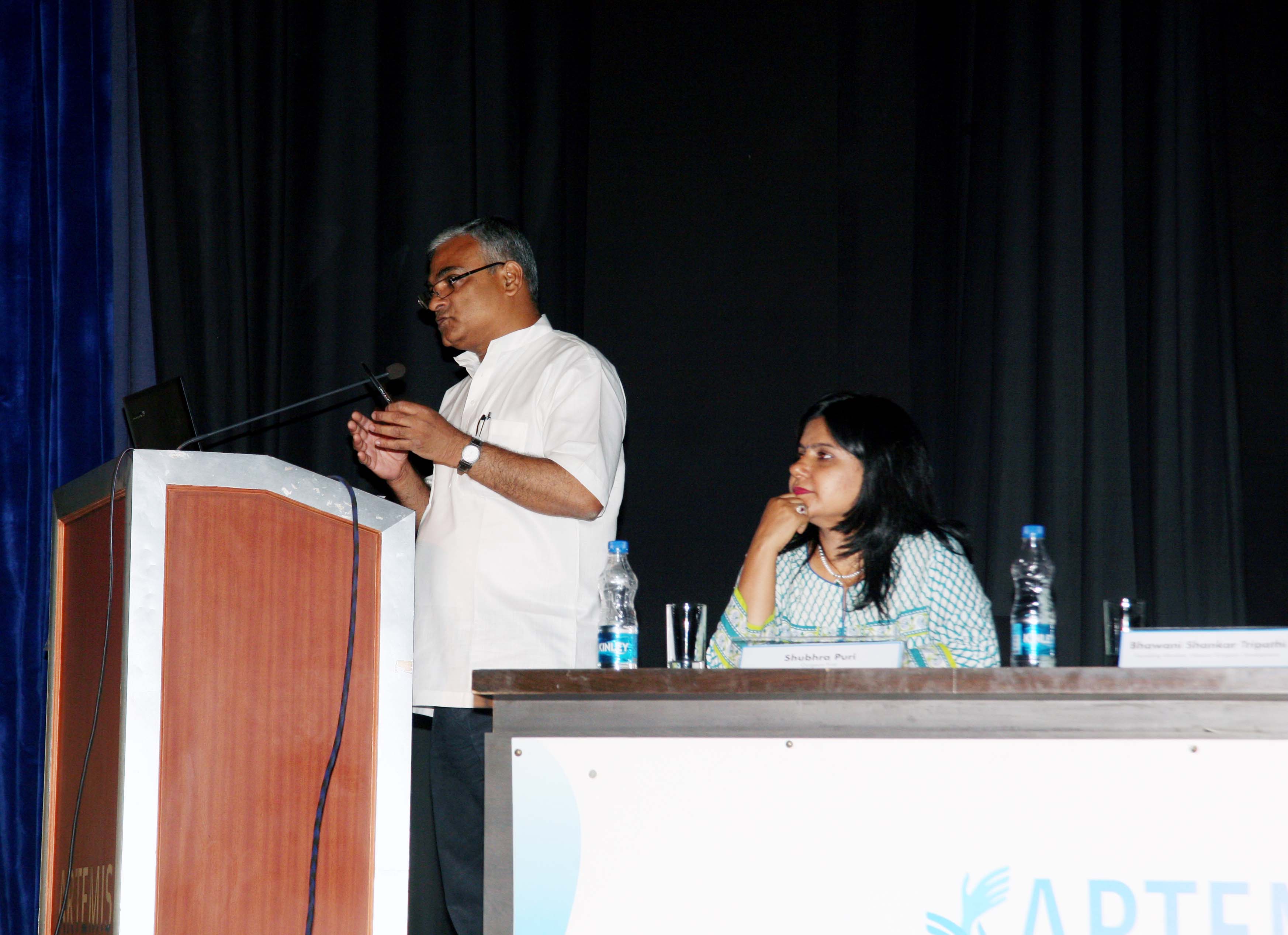
Options and Solutions for a Sustainable Future. The speakers in the two panels were Bhawani Shankar
Tripathi, Founding Member, Mission Gurgaon Development, Chetan Agarwal, Environmental Analyst,
Gurgaon, R M Bhardwaj, Senior Scientist, Central Pollution Control Board, Dr Himanshu Garg, Head,
Respiratory Critical Care and Sleep Medicine, Niranjan Khatri, GM (Environmental Initiatives), ITC
Hotels, Sanjay Seth, Chief Economist, Bureau of Energy Efficiency, VivekChaturvedi, Chief Marketing
Officer, Moser Baer, Amit Bhatt, Strategy Head – Urban Transport, Embarq India and Dr Capt. D B
Acharya, Consultant, Waste Management.
The workshop was focused on discussing ideas for reworking the city’s master plans, conserving its
vital resources, and preserving the green belt. Dr Praveen Kumar apprised the audience of the
various initiatives taken by the MCG to tackle the water crisis in Gurgaon, including, the proposal
to set up of a separate ‘water management board’ in Gurgaon, He also talked about double water
pipeline systems in all new sectors being developed in Gurgaon and to facilitate use of recycled
water. He said that MCG had recently planted some 2.2 lakh trees in the city including indigenous
plants .Dr Praveen Kumar also talked about immediate ‘zoning’ of ‘forest areas’ to protect them from
deforestation in future. On C&D waste, he said that soon an option would be available where people
could put load photos of C&D waste dumped illegally on roads and low lying areas. He laid stress on
segregating waste at source, and involving Gurgaon’s 1232 ragpickers actively in waste management.
He said it will take the MCG about 1.5-2 years to find a viable solution to Bhadwari waste plant on
the outskirts of the city, which is currently lying un-operational. He also talked about need for
developers and real estate companies to follow energy efficiency/green building norms.
Some of the sustainable solutions that were discussed were decentralised waste management systems,
creation of infrastructure for non-polluting modes of transportation, switching on to green energy
like solar, promoting energy efficiency buildings and building materials and water conservation
including taking up large scale rainwater harvesting initiatives.
The workshop was hosted by Artemis Hospitals. It was supported by Dataserv (e-waste Recycler Company
in Gurgaon and Hitachi Zosen (a waste-to-energy EPC contractor)
Gallery